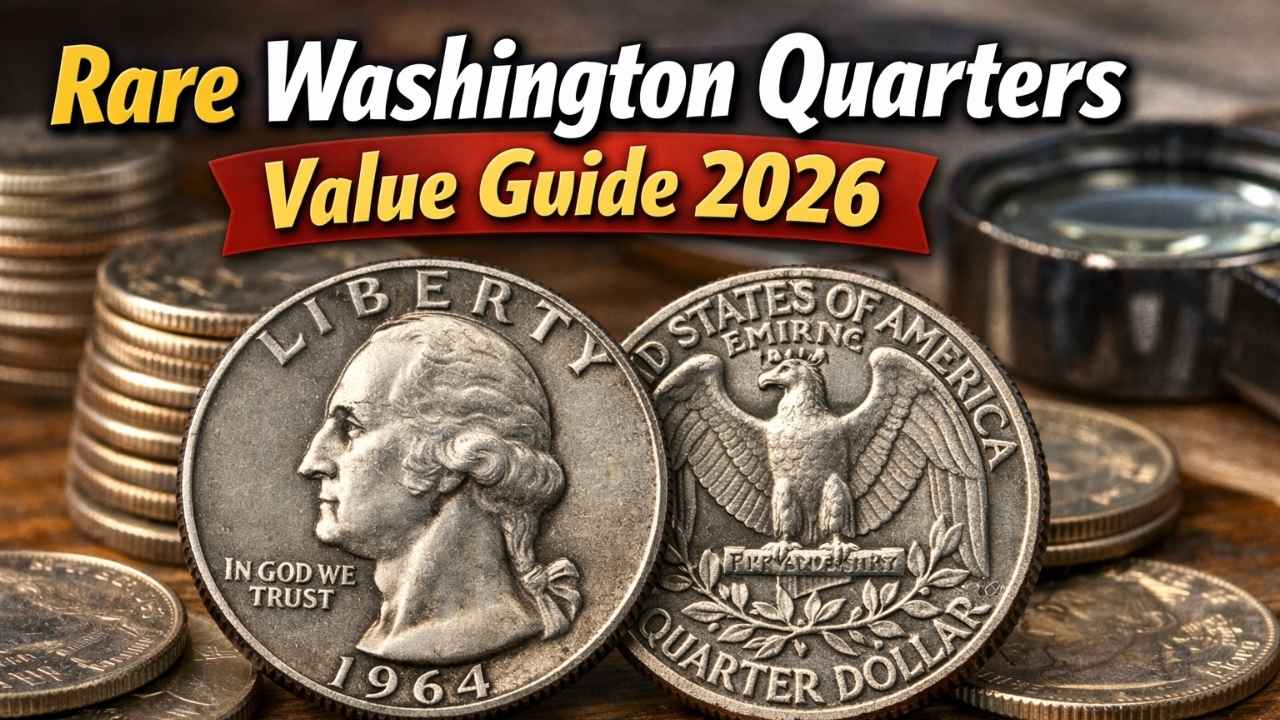
Rare Washington Quarters Value Guide 2026: Coin collecting has long been a fascinating hobby, and the Washington Quarter is one of the most beloved and sought-after coins in American numismatics. Since its introduction in 1932, the Washington Quarter has undergone several design changes, but it remains one of the most recognizable and widely collected coins in U.S. history. While many Washington Quarters are relatively common, there are certain dates, errors, and unique variants that are considered rare and can fetch staggering amounts at auction. As we approach 2026, collectors and investors alike are eager to uncover hidden treasures within their collections or pockets. This guide will delve into the key dates, errors, and hidden value of rare Washington Quarters, offering insight into which coins could be worth far more than their face value.
History of the Washington Quarter
The Washington Quarter was first introduced in 1932 to commemorate the 200th anniversary of George Washington’s birth. Designed by John Flanagan, the coin features a portrait of Washington on the obverse and the American eagle on the reverse. Over the years, the reverse design has changed, most notably in the early 1990s when the U.S. Mint began the 50-State Quarters program, which ran from 1999 to 2008, showcasing each state’s unique history. In 2010, the Mint introduced the America the Beautiful Quarters program, featuring national parks and landmarks across the country.
Despite the many design changes, the Washington Quarter remains a staple in American currency. For collectors, certain Washington Quarters—whether due to minting errors, low mintage numbers, or historical significance—have become extremely valuable. Some quarters from the 1930s, for example, can be worth tens of thousands of dollars, while later coins, such as those from the 1960s or 1990s, may also carry significant value due to unique characteristics. In this guide, we’ll explore some of the most valuable and rare Washington Quarters to look out for in 2026.
Key Dates and Rare Washington Quarters
Over the years, certain Washington Quarters have become highly valuable because of their limited mintage or historical importance. Below are some of the key dates and rare Washington Quarters to watch for in 2026:
| Coin Name | Year | Key Features | Estimated Value |
|---|---|---|---|
| 1932-D Washington Quarter | 1932 | Low mintage; first year of Washington Quarters | $50,000+ |
| 1932-S Washington Quarter | 1932 | Low mintage from the San Francisco Mint | $50,000+ |
| 1936 Double Die Washington Quarter | 1936 | Rare double die error | $100,000+ |
| 1942/1 Washington Quarter | 1942 | Overdate with the “1” visible in the “42” | $200,000+ |
| 1943 Washington Quarter (Silver) | 1943 | Wartime issue struck in 90% silver | $25,000+ |
| 1950-D Washington Quarter | 1950 | Key date with low mintage | $10,000+ |
| 1964-D Washington Quarter (Doubled Die) | 1964 | Minting error with doubled lettering | $10,000+ |
These are just a few of the many Washington Quarters that are valued well above face value. The most valuable quarters are often those with low mintage numbers or significant errors that set them apart from standard circulation coins. For example, the 1932-D and 1932-S Washington Quarters are particularly rare, as these were the first years of the Washington Quarter series, and their limited mintage has made them highly desirable among collectors. Similarly, the 1936 Double Die Washington Quarter, with its doubled lettering, is a rare and sought-after minting error.
Washington Quarter Minting Errors
Minting errors are one of the key factors that can elevate the value of a Washington Quarter. These errors can range from minor variations in the coin’s design to major mistakes that make the coin truly unique. Here are some of the most significant minting errors to look for in Washington Quarters:
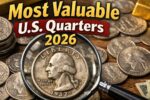
- Double Die Errors: A double die error occurs when the die used to strike the coin is misaligned or struck multiple times, causing the image to appear doubled. The 1936 Double Die Washington Quarter is one of the most famous examples, where the lettering and date are clearly doubled. Double dies can significantly increase the value of a coin, especially if the error is obvious to the naked eye.
- Overdate Errors: Overdate errors happen when one date is struck over another on the same coin. For example, the 1942/1 Washington Quarter features the “1” from the 1941 year visible under the 1942 date. Overdate errors are relatively rare and can dramatically increase a coin’s value, especially when combined with a low mintage.
- Off-Center Strikes: Off-center strikes occur when the coin is not aligned properly with the die during production, resulting in a coin with part of its design missing or misaligned. These coins are often considered unique and are highly sought after by collectors who enjoy acquiring unusual or irregular pieces.
- Weak Strikes: Sometimes a coin is struck with insufficient pressure, causing part of the design to be weak or incomplete. These weakly struck quarters can still be valuable if they show distinct and recognizable flaws.
- Clipped Planchets: A clipped planchet error occurs when a coin blank is accidentally clipped during the manufacturing process, resulting in a portion of the coin’s edge being missing. These coins are typically rare and desirable for collectors looking for unique or oddball errors.
How to Identify Valuable Washington Quarters
If you are searching for valuable Washington Quarters, knowing how to identify key features is essential. Here are a few steps to help you spot valuable coins:
- Look for Key Dates: As mentioned earlier, certain years, such as 1932, 1942, and 1950, are key dates in the Washington Quarter series due to their limited mintage. If you come across a quarter from these years, it’s worth taking a closer look to assess its condition and rarity.
- Check for Minting Errors: Examine your quarters for any signs of minting errors, such as doubled dies, overdates, or off-center strikes. These errors can be the key to unlocking a coin’s hidden value. Pay special attention to the lettering and numbers on the obverse and reverse of the coin.
- Examine the Condition: The condition of the coin plays a major role in its value. Coins in mint or near-mint condition, with sharp details and no visible wear, will generally be worth more than coins that have been heavily circulated. Professional grading services, such as PCGS or NGC, can provide an accurate assessment of a coin’s condition.
- Inspect the Mintmark: The mintmark on Washington Quarters indicates where the coin was struck. Coins with certain mintmarks, particularly from the Denver or San Francisco Mints, can be more valuable due to their lower mintage numbers. Look for mintmarks such as “D” (Denver) or “S” (San Francisco) when assessing the rarity of a quarter.
- Look for Special Editions or Commemoratives: The Washington Quarter has been issued in several special editions, including the 50-State Quarters and the America the Beautiful Quarters programs. While most of these coins are relatively common, certain ones with specific design features or minting errors may hold added value. The 1999-S Proof State Quarters, for example, are particularly sought after by collectors.
Grading and Value of Washington Quarters
Grading is an essential part of determining a coin’s value. The higher the grade, the more valuable the coin is likely to be. Grading services, such as PCGS (Professional Coin Grading Service) and NGC (Numismatic Guaranty Corporation), use a standardized system to assess a coin’s condition. Coins are graded on a scale from 1 to 70, with higher grades indicating better condition. A coin with a grade of MS-65 or higher is considered to be in excellent condition, while coins graded below MS-60 are often considered to be in poor condition.
When it comes to Washington Quarters, coins that are in mint or near-mint condition tend to fetch higher prices. The rarity of the coin—whether due to low mintage, historical significance, or minting errors—combined with the condition, will ultimately determine its value. For example, a 1932-D Washington Quarter in mint condition could be worth tens of thousands of dollars, while a 1964-D Washington Quarter with a doubled die error might sell for several thousand dollars more than a regular specimen.
Investment Potential of Washington Quarters
Collecting Washington Quarters can be a lucrative investment if you know what to look for. Rare coins with historical significance or minting errors tend to appreciate in value over time, especially as they become harder to find in good condition. Washington Quarters from key years, like the 1932-D and 1932-S, are prime examples of coins that have seen significant appreciation in value. As more collectors enter the market and demand for rare coins increases, the value of these quarters is expected to rise.
For collectors looking to invest in rare coins, Washington Quarters represent a unique opportunity to own a piece of U.S. history while potentially reaping significant financial rewards. However, it’s important to conduct thorough research and seek expert advice before making major investments.
Final Thoughts
The world of Washington Quarters is filled with hidden gems, and in 2026, there are numerous rare and valuable coins waiting to be discovered. By focusing on key dates, minting errors, and coins in excellent condition, collectors can find Washington Quarters worth far more than their face value. Whether you’re a seasoned numismatist or just getting started, knowing which coins to look for can make all the difference in building a valuable and rewarding collection. Always remember to handle your coins with care, get them professionally graded, and stay informed about the latest trends in the coin market to ensure your investment pays off.