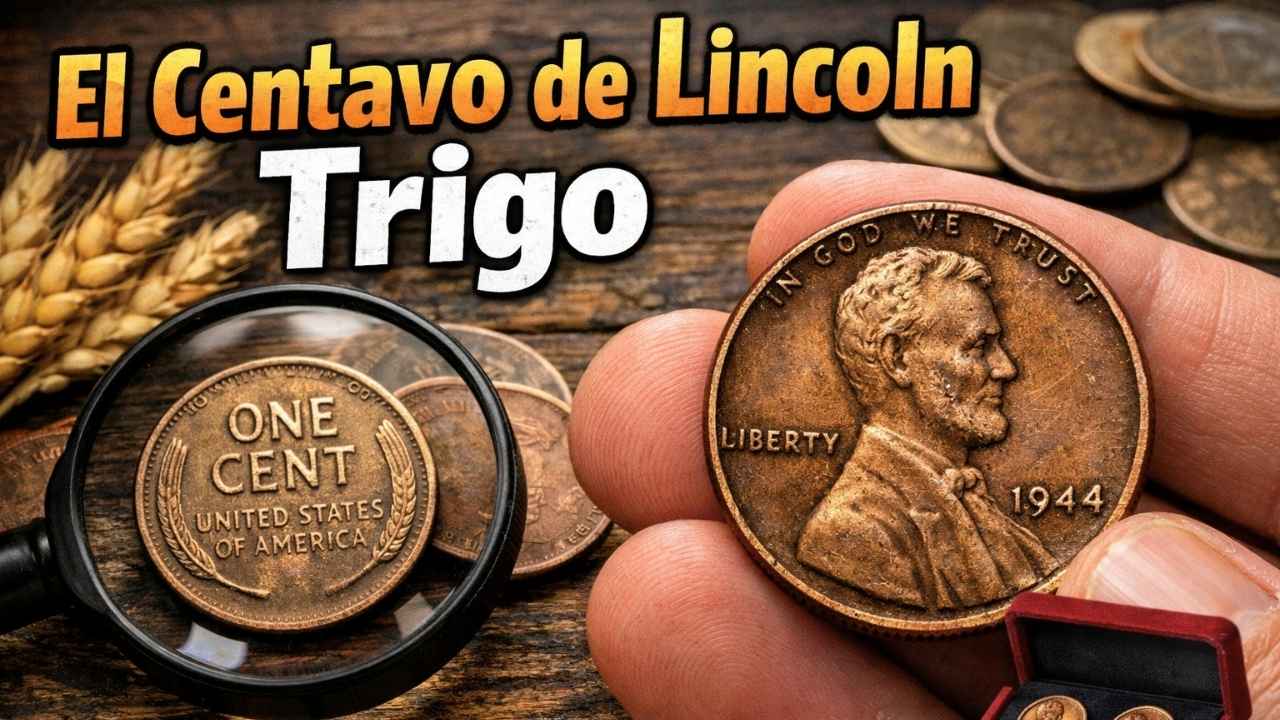
The Lincoln Wheat Penny : The Lincoln Wheat Penny is one of the most iconic coins in American history. First minted in 1909 to commemorate the centennial of Abraham Lincoln’s birth, it quickly became a collector’s favorite. Its design, featuring Lincoln’s profile on the obverse and two wheat stalks on the reverse, symbolized both progress and prosperity. Over the decades, countless variations and rare editions of this coin have emerged, some commanding astonishing prices at auctions.
The Myth of the $700 Million Sale
Among coin collectors, stories often circulate about rare finds and record-breaking sales. One of the most sensational claims is that a Lincoln Wheat Penny secretly sold for $700 million. While this figure seems almost unbelievable, it reflects the fascination and mystery surrounding rare coins. The truth is more nuanced, but the legend itself has fueled discussions about the value of collectibles and the psychology of scarcity.
Why Coins Become So Valuable
The value of a coin is determined by several factors:
- Rarity: Coins with limited mintage or unique errors are highly sought after.
- Condition: Mint-state coins, untouched by circulation, can fetch extraordinary sums.
- Historical Significance: Coins tied to important events or figures carry added prestige.
- Collector Demand: The more collectors desire a coin, the higher its market value climbs.
The Lincoln Wheat Penny embodies all these qualities, making it a prime candidate for legendary valuations.
Famous Rare Pennies in History
To understand why the Wheat Penny could be linked to such a staggering figure, it helps to look at other famous coins:
| Coin | Year | Notable Feature | Auction Price |
|---|---|---|---|
| 1943 Copper Penny | 1943 | Minted in copper instead of steel | $1.7 million |
| 1909-S VDB Penny | 1909 | Designer’s initials prominently displayed | $100,000+ |
| 1955 Double Die Penny | 1955 | Misaligned die causing doubled text | $50,000+ |
| 1877 Indian Head Penny | 1877 | Extremely low mintage | $150,000+ |
These examples show that pennies, despite their humble denomination, can rival fine art and rare jewels in value.

The Psychology of Collecting
Collectors often chase coins not just for monetary gain but for the thrill of owning something unique. The Lincoln Wheat Penny, with its deep historical roots, taps into nostalgia and patriotism. Owning a rare edition feels like holding a piece of American heritage. When rumors of astronomical sales surface, they ignite imaginations and drive demand even higher.
Could a Penny Really Be Worth $700 Million
From a practical standpoint, no single coin has ever sold for $700 million. The most expensive coin ever sold, the 1933 Double Eagle, fetched around $18.9 million. However, the myth of the Wheat Penny’s $700 million sale illustrates how stories can magnify perceived value. It is less about factual accuracy and more about the cultural weight coins carry in the collective imagination.
The Role of Auctions and Secrecy
High-value coin transactions often occur in private auctions, where confidentiality is paramount. This secrecy fuels speculation. When a coin changes hands quietly, rumors spread unchecked. The Lincoln Wheat Penny’s supposed $700 million sale likely stems from such whispers, amplified by the coin’s legendary status.
Lessons for Collectors
The story of the Lincoln Wheat Penny teaches several lessons:

- Always verify claims with reputable auction records.
- Understand that rarity and condition drive value more than myths.
- Recognize that the joy of collecting often outweighs financial gain.
- Appreciate coins as cultural artifacts, not just commodities.
The Legacy of the Lincoln Wheat Penny
Regardless of whether it ever sold for $700 million, the Lincoln Wheat Penny remains a cornerstone of American numismatics. Its design, history, and enduring popularity ensure that it will continue to captivate collectors for generations. The myth itself adds to its mystique, proving that sometimes stories are as valuable as the objects they describe.
Conclusion
The Lincoln Wheat Penny’s alleged $700 million sale is more legend than fact, but it highlights the extraordinary allure of rare coins. From copper errors to double dies, pennies have achieved values far beyond their face worth. Whether or not the myth is true, it underscores the timeless fascination with collecting and the human desire to own something rare, beautiful, and historically significant.