Wheat Pennies Worth $265,000: The Lincoln Wheat Penny, minted between 1909 and 1958, is one of the most beloved coins in American numismatic history. While most Wheat Pennies are worth only a cent, certain rare varieties and minting errors have transformed ordinary coins into treasures worth thousands, sometimes even up to $265,000. For collectors and everyday people alike, the idea that a penny in your pocket could hold life-changing value is both thrilling and inspiring.
The Origins of the Wheat Penny
The Wheat Penny was introduced in 1909 to commemorate the centennial of Abraham Lincoln’s birth. Designed by Victor David Brenner, it was the first U.S. coin to feature a real person rather than a symbolic figure. The obverse shows Lincoln’s profile, while the reverse features two wheat stalks symbolizing prosperity and agricultural strength.
Minted until 1958, the Wheat Penny was eventually replaced by the Lincoln Memorial design. Yet, its legacy endures, especially among collectors who treasure its historical significance and rarity.
Why Some Wheat Pennies Are Worth Thousands
Several factors contribute to the extraordinary value of certain Wheat Pennies:
- Minting Errors – Double dies, missing mintmarks, or unusual compositions.
- Limited Production – Coins with low mintage numbers are rare.
- Condition – Coins in pristine, uncirculated condition command higher prices.
- Collector Demand – Historical significance and scarcity drive values upward.
The Most Valuable Wheat Pennies
Here is a table highlighting some of the most valuable Wheat Pennies:
| Year & Variety | Key Features | Estimated Value Range | Reason for Rarity |
|---|---|---|---|
| 1909-S VDB | San Francisco mint, designer’s initials | $700 – $265,000 | Extremely low mintage of 484,000 |
| 1914-D | Denver mint | $200 – $150,000 | Scarce due to limited production |
| 1922 No D | Missing Denver mintmark | $500 – $50,000 | Minting error |
| 1931-S | San Francisco mint | $100 – $75,000 | Low mintage of 866,000 |
| 1944 Steel Penny | Wrong metal composition | $75,000 – $200,000 | Minting error during WWII |
How to Identify Rare Wheat Pennies
Collectors and casual enthusiasts should look for:
- Mintmarks – Check for “S” (San Francisco) or “D” (Denver).
- Errors – Double dies, missing mintmarks, or unusual features.
- Condition – Coins graded Mint State (MS) or Proof (PR) are worth more.
- Metal Composition – Steel pennies from 1943 and 1944 are especially rare.
Coin Grading and Authentication
Professional grading services such as PCGS and NGC evaluate coins based on condition and authenticity. A coin graded MS-65 or higher can dramatically increase in value. Authentication is essential, as counterfeit Wheat Pennies exist in the market.
Famous Auction Sales
Some Wheat Pennies have made headlines at auctions:
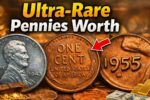
- A 1909-S VDB penny in pristine condition has sold for over $265,000.
- The 1944 Steel Penny has fetched six-figure prices due to its rarity.
- The 1914-D penny continues to be a collector favorite, often selling for tens of thousands.
Collecting Tips
- Search Old Coin Jars – Rare Wheat Pennies have been discovered in everyday circulation.
- Use Magnification – Small details like mintmarks can make a huge difference.
- Get Coins Graded – Professional grading ensures authenticity and maximizes value.
- Stay Informed – Coin values fluctuate with collector demand and metal prices.
The Cultural Fascination with Rare Coins
Rare coins capture the imagination because they represent hidden treasures. The idea that a penny worth one cent could secretly be worth $265,000 is thrilling. Collectors see these coins as pieces of history, while casual finders dream of striking it rich from pocket change.
Conclusion
The Lincoln Wheat Penny is more than just a coin—it is a piece of American history. While most are worth only one cent, rare varieties and minting errors have transformed some into treasures worth thousands, even hundreds of thousands. By learning to identify rare Wheat Pennies and understanding their history, you might discover that your coin jar holds a hidden fortune.